 My Account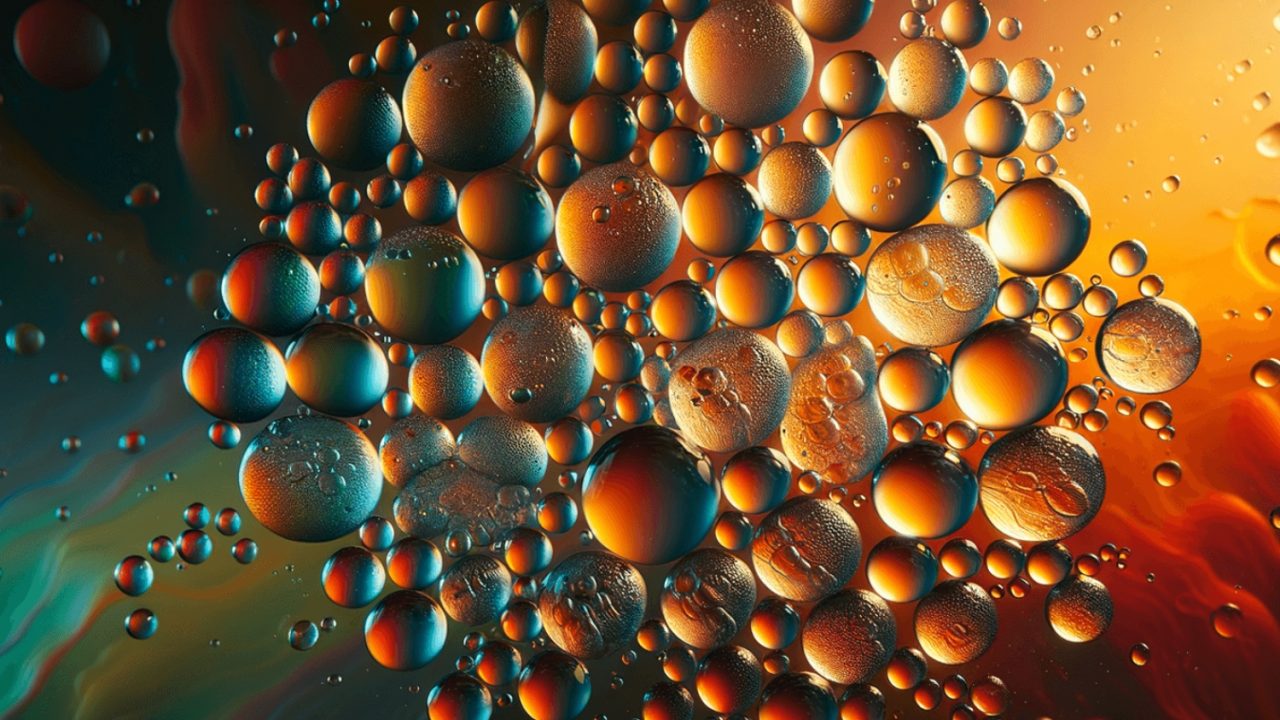
Introduction
Macro photography allows photographers to explore the world of tiny details, capturing intricate textures, colors, and patterns that are often overlooked. One creative and fascinating technique in macro photography is using water and oil to create abstract shots. These liquids can form stunning, dynamic images by interacting with light, reflections, and textures, offering endless opportunities for artistic expression. Here’s how you can use water and oil in your macro photography to create visually captivating abstract images.
1. Preparing the Setup
To get started with water and oil macro photography, you’ll need a few basic tools:
- Macro lens: A dedicated macro lens will allow you to capture fine details with close focus.
- Light source: Good lighting is essential for macro photography. A soft light or backlighting works well to enhance reflections and the textures of water and oil.
- Flat surface: Use a glass plate or an acrylic surface to control the interaction between oil and water.
For your subject, you can experiment with different color backgrounds or objects beneath the surface of the water. Colored paper, fabric, or light sources can all contribute to the overall visual effect.
2. Creating the Effect with Oil and Water
The magic happens when you combine water and oil, which don’t mix due to their different densities. As a result, you’ll see intriguing bubbles, layers, and ripples form as the oil floats on the water. Here’s how to work with each element:
- Oil: Use small drops of oil to create reflective shapes or blobs on the water’s surface. The way light interacts with the oil droplets can form an abstract pattern, with unique shapes and reflections.
- Water: You can manipulate water by adding drops, creating ripples, or simply playing with the surface tension. The water will capture reflections and create unique distortions in the image.
To enhance the abstract effect, experiment with different colors by using colored lights or backgrounds that shine through the droplets to add vibrancy to the shot.
3. Playing with Light and Reflection
Lighting is crucial in macro photography, especially when shooting through translucent materials like water and oil. Backlighting can produce beautiful reflections and glowing effects. Try using an LED light or flash placed behind the setup to highlight the oil droplets and create interesting contrasts between light and dark areas. Reflective surfaces beneath the liquids can also contribute to the formation of layers of abstract forms.
Conclusion
Using water and oil in macro photography opens up a world of creative possibilities, allowing you to capture beautiful abstract shots. By controlling the interaction between these two liquids and experimenting with lighting, textures, and reflections, you can produce striking, imaginative images that go beyond traditional photography. Embrace the abstract beauty of oil and water, and let your macro lens reveal an entirely new perspective on the world around you.
#MacroPhotography #AbstractPhotography #WaterAndOil #CreativePhotography #PhotographyTips #AbstractArt #MacroLens