
 My Account
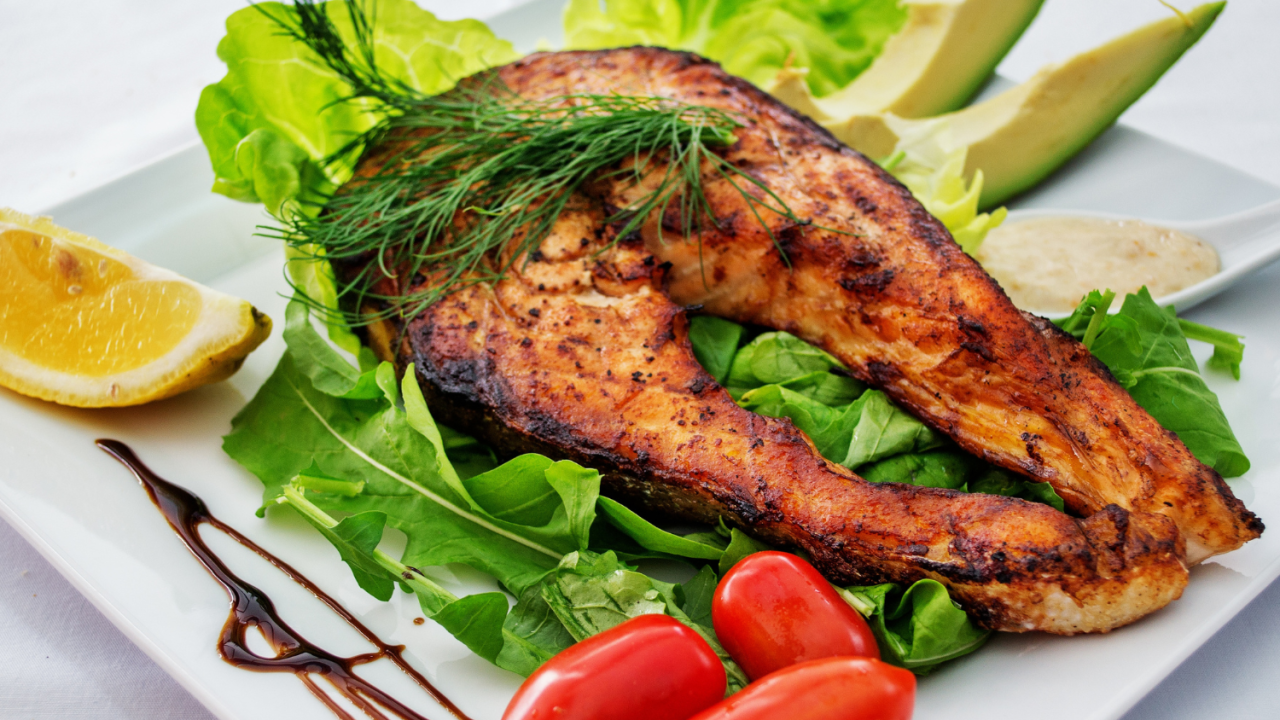
Why Camera Angle Matters in Food Photography
The same dish can look completely different depending on where the camera is positioned. A carefully chosen angle can highlight height, texture, color, layers, and presentation, while the wrong perspective can make an appealing meal look flat or unbalanced.
No single angle works for every dish. The best approach is to understand what makes the food visually interesting and choose a perspective that emphasizes those qualities.
Use Overhead for Flat and Detailed Dishes
A directly overhead, or 90-degree, angle works particularly well for foods arranged across a surface.
Try this perspective for:
- Salads
- Pizza
- Charcuterie boards
- Breakfast spreads
- Flatbreads
- Colorful bowls
Overhead photography can emphasize patterns, ingredient placement, and color relationships. It is also useful when several dishes or ingredients need to appear together.
Try a 45-Degree Angle for Everyday Meals
A 45-degree perspective is one of the most versatile options. It provides enough height to show the top of the food while still revealing its shape and depth.
This angle works well for pasta, rice dishes, curries, plated meals, desserts, and many restaurant dishes.
It creates a natural perspective that resembles how someone might view the food while sitting at the table.
Go Low for Tall Foods
Low angles are particularly useful when height is one of the dish’s strongest features.
Use this perspective for:
- Burgers
- Layered cakes
- Sandwiches
- Pancakes
- Tall desserts
- Stacked dishes
Shooting closer to table level can emphasize layers and make the food appear more substantial.
Use Close-Ups for Texture
Sometimes the entire plate is not the most interesting subject. Move closer to highlight details such as melted cheese, crispy edges, creamy sauces, fresh herbs, or baked textures.
A shallow depth of field can help isolate the detail while allowing the surrounding food to fade softly into the background.
Consider the Shape of the Dish
Before choosing an angle, ask what makes the food distinctive. Is it tall, layered, colorful, flat, textured, or filled with ingredients?
Let that characteristic determine your perspective, rather than automatically using the same camera position for every photograph.
Capture Multiple Angles
For commercial food photography, take several perspectives when time allows. A restaurant or food brand may need different images for menus, websites, social media, and advertising.
Wide shots can establish the scene, while medium and close-up photographs provide variety.
Share Your Food Photography With Shoot Bright Photo
At Shoot Bright Photo, we believe every photograph has a story and every photographer has a unique perspective. Our photography marketplace and creator community help photographers showcase their work, reach wider audiences, and explore creative opportunities.
Food photography is an excellent way to develop stronger composition, lighting, and storytelling skills.
Let the Dish Guide Your Camera
The best shooting angle reveals what makes the food special. Experiment with overhead, 45-degree, low, and close-up perspectives, and observe how each changes the viewer’s experience.
With practice, you can quickly recognize which angle makes each dish look most appealing.
#ShootBrightPhoto #FoodPhotography #FoodPhotographyTips #FoodStyling #PhotographyAngles #CommercialPhotography #CreativePhotography #FoodPhotographer #VisualStorytelling #PhotographyCommunity


