 My Account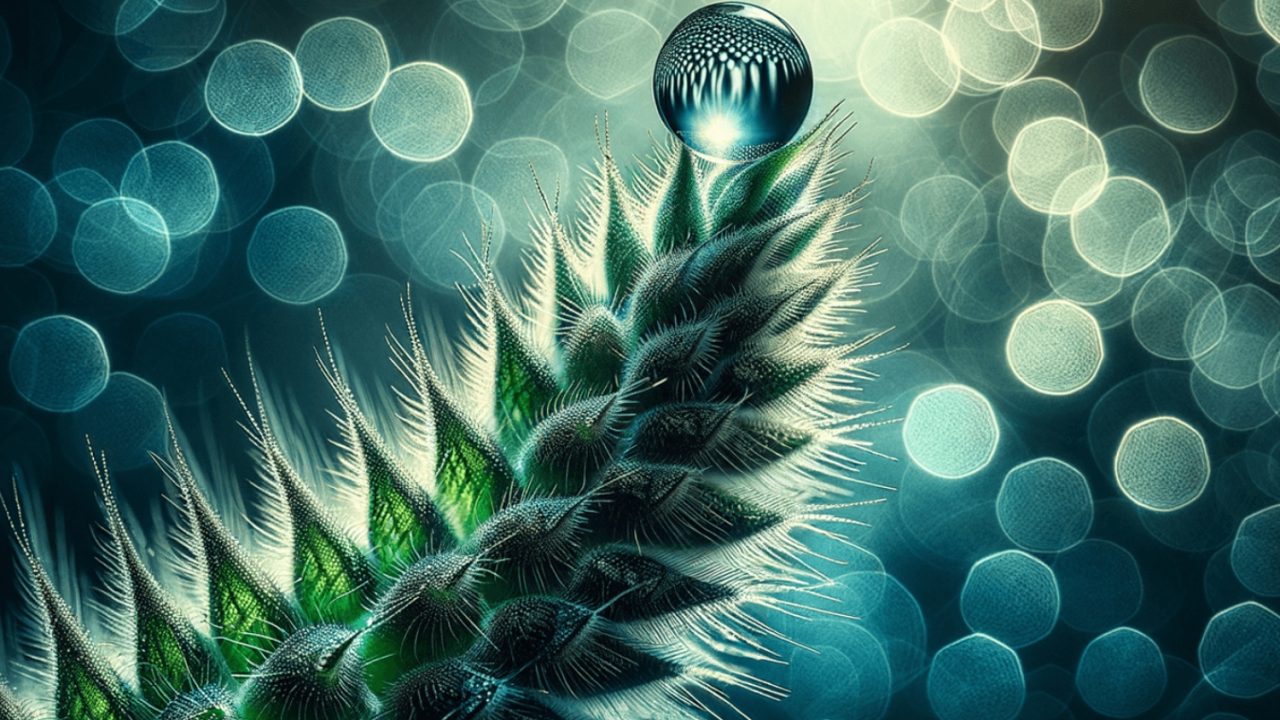
Introduction
Night macro photography offers a unique opportunity to capture the hidden beauty of the world after the sun goes down. While macro photography typically focuses on tiny, intricate details, shooting in low light presents an exciting challenge and a chance to uncover new dimensions of texture, form, and light. With the proper techniques and equipment, you can create stunning night macro photos that reveal a whole new world of detail. Here’s how you can illuminate tiny worlds in the dark with night macro photography.
1. Embrace Low Light and Shadows
One of the most captivating aspects of night macro photography is the play of shadows and soft light. When shooting at night, the absence of harsh sunlight can create dramatic contrasts and highlight subtle textures in your subject. Look for subjects that have interesting textures, such as leaves, insects, or water droplets. The shadows in these shots add a sense of mystery and depth, often missing in daylight photography. Experiment with backlighting to create glowing outlines of objects, such as flowers or delicate threads of a spider’s web.
2. Use a Tripod for Stability
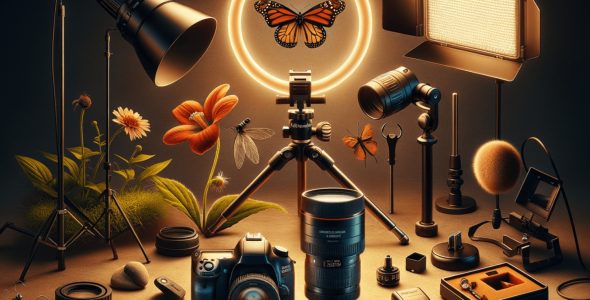
Night macro photography typically requires longer exposure times due to low light conditions, making camera stability even more important. A tripod is essential for keeping your camera steady and ensuring sharp, crisp images. Without a tripod, even the slightest shake can blur the fine details you’re trying to capture. Additionally, using a tripod allows you to slow down the shutter speed without worrying about camera movement, which is especially useful in low-light conditions.
3. Leverage Artificial Lighting
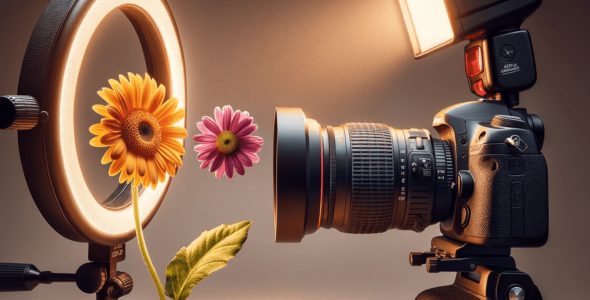
Since natural light is limited at night, you’ll need to rely on artificial lighting to illuminate your subject. Small LED lights, flashlights, or off-camera flashes work well for night macro photography. Position your light source at different angles to highlight your subject’s textures and shapes. A softbox or diffuser can also help soften the light, reducing harsh shadows and creating more flattering illumination. Experiment with light placement and intensity to achieve the desired mood.
4. Use a Wide Aperture and High ISO
To capture as much light as possible, use a wide aperture (low f-number) to let more light into the camera. This also allows you to achieve a shallow depth of field, which can help isolate your subject from the background and create a beautiful bokeh effect. Additionally, increase your ISO setting to make the sensor more sensitive to light. However, be mindful of noise—too high an ISO can result in grainy images. Find the right balance between ISO and aperture settings to maintain clarity without introducing unwanted noise.
5. Focus on Details
In night macro photography, every small detail counts. Insects, dew-covered plants, or tiny textures in the dark all become intriguing subjects when illuminated correctly. Pay attention to the fine details—like the veins of a leaf or the delicate wings of a moth—that can become even more striking when shot in low light. Use your camera’s focus ring to ensure the most critical parts of the subject are in sharp focus.
Conclusion
Night macro photography offers an exciting opportunity to explore the world from a new perspective. By embracing low light, using artificial lighting, and focusing on intricate details, you can create stunning images that reveal hidden beauty in the dark. Whether you’re capturing tiny insects, glowing droplets of water, or the texture of leaves, night macro photography opens the door to a world of creative possibilities.
#NightMacroPhotography #MacroPhotography #LowLightPhotography #NightPhotography #PhotographyTips #NaturePhotography #MacroInTheDark #TinyWorlds