 My Account
Introduction
Food photography for social media is all about creating images that stop the scroll. With millions of photos uploaded daily, your content needs to be visually appealing, well-lit, and thoughtfully styled to stand out. Whether you’re a restaurant owner, food blogger, or home cook, mastering a few key techniques can dramatically improve your results.
1. Prioritize Natural Lighting
Lighting is the foundation of great food photography. Natural light is your best friend. Position your dish near a window and use soft side lighting to highlight textures and details. Avoid direct harsh sunlight, as it can create strong shadows and overexposed areas. If needed, use a white surface, such as a foam board or a napkin, to reflect light onto the darker side of the dish.
2. Choose the Right Angle
Different foods look best from different angles. Flat dishes, such as pizza or salads, work beautifully when shot from above (flat-lay style). Burgers, cakes, and layered drinks look better from a side angle, which highlights their depth and structure. Experiment to find the angle that highlights the dish’s most appealing features.
3. Keep the Composition Clean
Social media visuals should be eye-catching but not cluttered. Keep backgrounds simple and use props sparingly. A textured table, neutral linen, or simple plate can enhance your composition without distracting from the food. Make sure every element in the frame serves a purpose.
4. Focus on Details and Texture
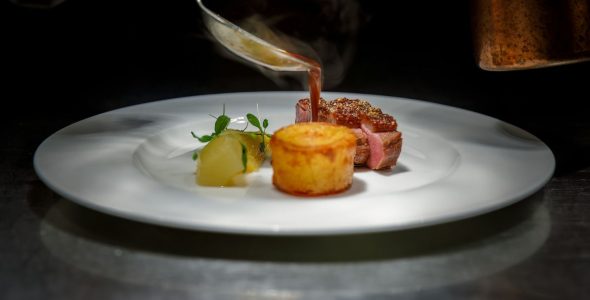
Close-up shots work exceptionally well on social platforms. Capture the steam rising from hot food, the drizzle of sauce, or the crunch of a topping. Use a wide aperture to create a soft background blur and make the subject pop.
5. Use Editing to Enhance, Not Overdo
Light editing can elevate your photo. Adjust brightness, contrast, and sharpness to make the image vibrant and crisp. Keep colors natural; overly saturated images can look unrealistic. Consistent editing helps maintain a cohesive feed aesthetic.
6. Capture Movement for Engagement
Adding action, such as pouring coffee, sprinkling herbs, or breaking bread, creates dynamic and engaging content. Movement adds life and authenticity to your images.
Final Thoughts
Photographing food for social media requires good lighting, thoughtful composition, and attention to detail. With practice and creativity, you can create scroll-stopping images that not only look delicious but also drive engagement and elevate your brand.
#FoodPhotography #SocialMediaContent #PhotographyTips #FoodStyling #ContentCreation #CreativePhotography #InstagramFood #VisualMarketing #FoodBlogger #DigitalContent