 My Account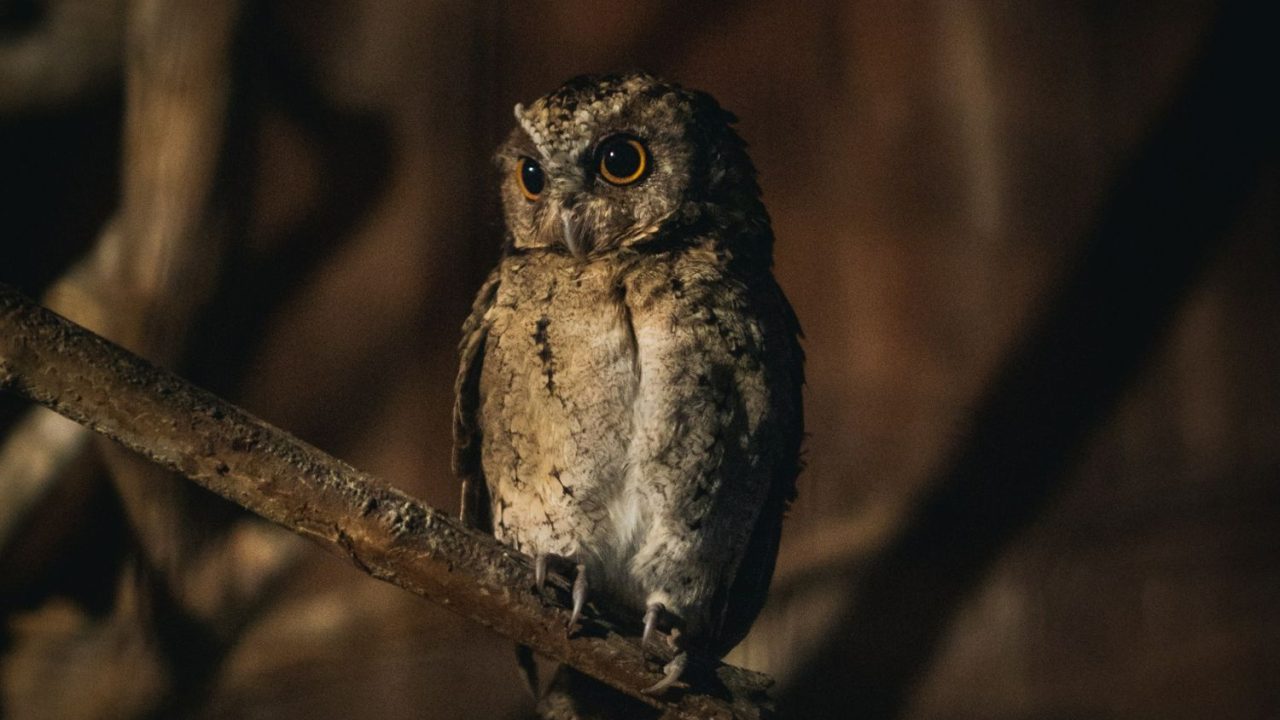
Wildlife does not disappear when the sun goes down. As daylight fades, owls begin hunting, bats emerge from their roosts, foxes move through quiet landscapes and many reptiles become more active. Photographing these animals offers a glimpse into a world that most people rarely see.
However, nocturnal wildlife photography presents two challenges. Photographers must work with very little light while ensuring their presence does not disrupt an animal’s natural behaviour. The best nighttime wildlife images are created through preparation, patience and restraint, not by forcing an encounter.
Research the Animal Before Entering the Field
Learn about the species you hope to photograph before choosing a location. Study when it becomes active, where it feeds and which signs reveal its presence. Calls, tracks, droppings and frequently used paths can help you find wildlife without searching blindly through its habitat.
Local conservation groups, park authorities and experienced guides can provide valuable information. Their guidance can also help you avoid nesting sites, restricted areas and sensitive periods such as breeding season.
Arrive Before the Light Disappears
Finding a safe position is much easier during daylight. Arrive early enough to study the surroundings, identify obstacles and choose a background for your photographs.
Position yourself away from burrows, nests and feeding areas. Once settled, remain quiet and allow the environment to return to its normal rhythm. Constantly walking around or changing positions may prevent cautious animals from appearing.
Use Available Light Whenever Possible
Moonlight, twilight and distant environmental light can produce atmospheric wildlife photographs. Instead of trying to make the scene look like daylight, allow darkness to remain part of the image.
A wide aperture and higher ISO will help capture more light. Select a shutter speed based on the animal’s movement. A stationary owl may remain sharp at a relatively slow speed, while a moving fox or flying bat will require a much faster exposure.
Modern noise-reduction tools can improve a high-ISO photograph, but they cannot restore detail lost through motion blur. Prioritise a shutter speed that gives you a realistic chance of a sharp subject.
Focus Carefully in Low Light
Autofocus may struggle when contrast is limited. Use a single focus point and place it over the animal’s eye or another clearly defined feature. If the animal remains in a predictable area, focus on that location in advance.
Continuous autofocus can help with moving subjects, although performance will depend on the camera and available light. Take short bursts rather than holding the shutter continuously. This reduces unnecessary noise and prevents hundreds of nearly identical frames.
Avoid Bright Lights and Repeated Flash
A bright torch can temporarily affect an animal’s vision or cause it to abandon normal activity. Flash may be permitted in certain controlled situations, but it should never be treated as the default solution.
Avoid repeated flashes, direct light at close range and any technique that produces visible signs of stress. Reducing equipment noise, switching off autofocus-assist lamps and using silent shutter mode can make your presence less intrusive.
Never use recorded calls, food or bait to draw an animal closer purely for a photograph. A dramatic image is not worth changing wildlife behaviour or placing an animal at risk.
Tell the Story of the Habitat
A nocturnal wildlife photograph does not always require a frame-filling portrait. Including trees, rocks, water, shadows or distant artificial light can show how the animal moves through its environment.
A silhouette against the final colour of twilight may communicate more atmosphere than a brightly illuminated close-up. Wider compositions also allow photographers to work from a safer and more respectful distance.
Exploring wildlife and nature photographs on Shoot Bright Photo can provide inspiration for compositions that balance the animal with its surroundings. Study how light, habitat and negative space contribute to the story.
Know When to Stop
If an animal changes direction repeatedly, freezes, gives alarm calls or focuses constantly on your position, it may be uncomfortable. Increase your distance or leave the area.
Night photography also introduces personal risks. Tell someone where you are going, carry a dependable light for the return journey and avoid unfamiliar terrain alone.
Successful nocturnal wildlife photography depends on trust in the natural moment. When photographers research carefully, work quietly and respect the limits of the subject, darkness becomes part of the story rather than an obstacle to overcome.
#WildlifeAfterDark #NocturnalWildlife #WildlifePhotography #NaturePhotography #NightPhotography #EthicalPhotography #LowLightPhotography #AnimalPhotography #ShootBrightPhoto