
 My Account
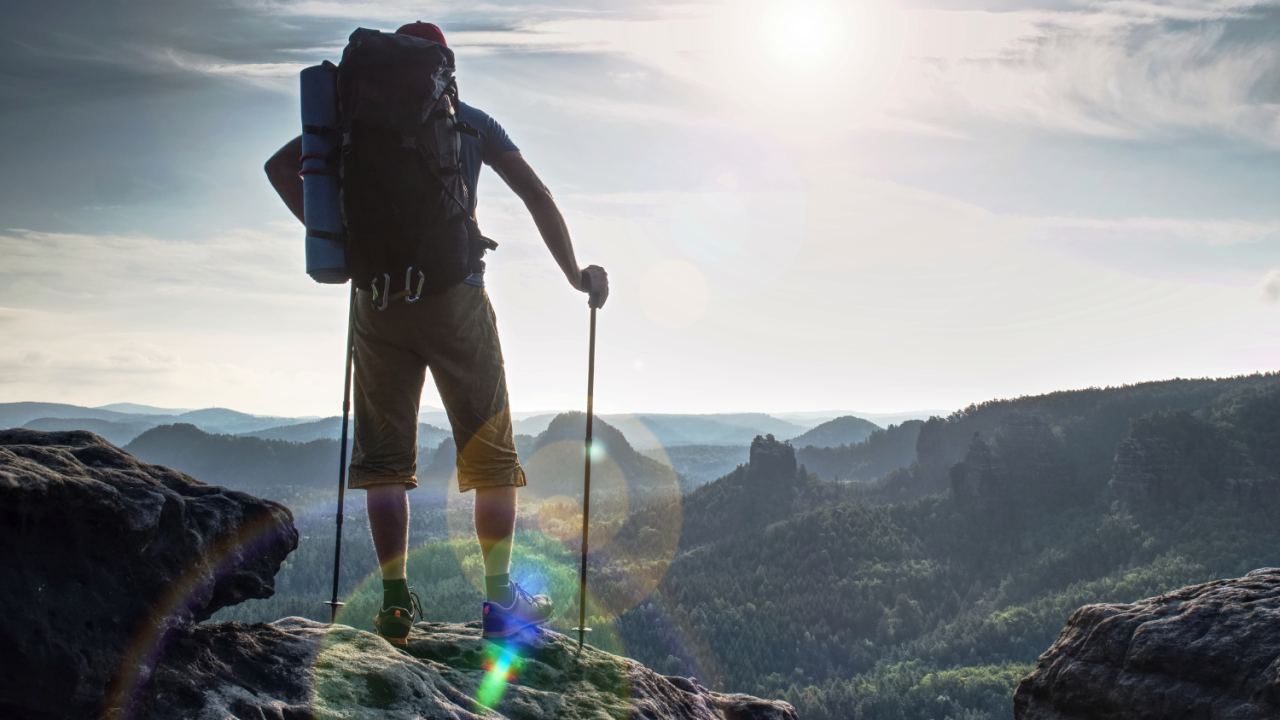
Why Lightweight Gear Matters
Hiking and backpacking offer incredible opportunities for photography, from mountain landscapes and remote trails to wildlife and unexpected moments along the journey. However, carrying heavy camera equipment over long distances can quickly become tiring.
The best hiking photography setup isn’t necessarily the largest. A lightweight, practical kit allows photographers to travel farther, react quickly, and enjoy the experience without being weighed down by unnecessary equipment.
Choose a Compact Camera
A lightweight mirrorless camera or advanced compact camera can be an excellent choice for hiking. These systems provide strong image quality while taking up less space than many traditional professional setups.
When selecting a camera, consider:
- Weight and size
- Battery life
- Weather resistance
- Image quality
- Ease of use
A camera that you are comfortable carrying is more useful than equipment that stays inside your backpack.
Carry One Versatile Lens
Instead of carrying several lenses, consider choosing one versatile zoom lens that covers multiple focal lengths. A wide-to-standard zoom works well for landscapes, portraits, and everyday trail photography.
If your photography style calls for a prime lens, choose one that matches your most common subjects and keeps your kit compact.
Use a Lightweight Tripod
A tripod can be valuable for landscape photography, long exposures, and low-light scenes. However, full-size tripods can add considerable weight.
Look for a compact travel tripod made from lightweight materials. Before purchasing one, make sure it can safely support your camera and lens combination.
Keep Accessories Minimal
Photographers often carry more accessories than they actually need. For hiking trips, focus on essentials.
A practical kit might include:
- Spare battery
- Extra memory card
- Small cleaning cloth
- Compact camera bag
- Lightweight rain cover
- Portable power bank
These items provide useful backup without adding unnecessary bulk.
Protect Your Equipment
Lightweight does not mean unprotected. Hiking environments can expose equipment to dust, rain, moisture, and accidental impacts.
A weather-resistant camera bag or protective insert can help keep your equipment safe while allowing quick access when an interesting scene appears.
Pack According to Your Photography Goals
Your ideal gear depends on what you plan to photograph. A landscape photographer may prioritize a wide-angle lens, while a wildlife photographer may need additional reach.
Before every trip, consider the location, weather, duration, and subjects you expect to encounter. Packing with a specific purpose keeps unnecessary weight off your pack.
Share Your Outdoor Photography With Shoot Bright Photo
At Shoot Bright Photo, we believe every photograph tells a story. Our photography marketplace provides creators with opportunities to showcase their work, reach wider audiences, and share unique perspectives from their adventures.
With the right lightweight setup, photographers can explore further while still capturing beautiful moments.
Travel Light, Photograph More
Great adventure photography does not require carrying your entire studio into the wilderness. A carefully selected camera, versatile lens, essential accessories, and proper protection can provide everything needed for an unforgettable hiking photography experience.
#ShootBrightPhoto #HikingPhotography #TravelPhotography #AdventurePhotography #PhotographyGear #Backpacking #OutdoorPhotography #PhotographyTips #LandscapePhotography #PhotographyCommunity