 My Account
Making Dark Dishes Look Rich and Appetizing
Dark-colored foods can create dramatic and sophisticated photographs, but they also present unique challenges. Chocolate desserts, roasted meats, black pasta, dark berries, mushrooms, coffee, and rich sauces can easily lose texture when photographed against poorly chosen backgrounds or in insufficient light.
The goal is to preserve the food’s depth and character while keeping its details visible. With thoughtful lighting, styling, and exposure, dark dishes can become striking subjects.
Choose a Background With Contrast
A dark dish does not always need a dark background. Using lighter surfaces can create contrast and help define the edges of the food.
Consider:
- Light marble
- Cream-colored surfaces
- Natural wood
- Neutral fabric
- Soft grey backgrounds
If you prefer a darker mood, choose a background that differs slightly in tone or texture so the food doesn’t disappear into it.
Use Directional Lighting
Lighting is particularly important when photographing dark food. Side lighting can reveal texture by creating subtle highlights across the surface.
Try positioning your main light at an angle rather than directly in front of the dish. This can emphasize crispy edges, glossy sauces, roasted surfaces, and other details.
A reflector can gently brighten areas that appear too dark without flattening the image.
Avoid Underexposure
It is easy to underexpose dark dishes because the camera may interpret the scene incorrectly. Check your exposure carefully and review highlights and shadows before continuing.
Shooting in RAW gives you more flexibility to recover shadow detail in editing.
Add Highlights and Texture
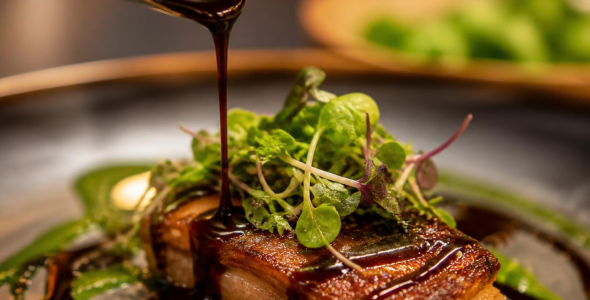
Dark foods often benefit from small highlights. Glossy sauces, fresh herbs, powdered ingredients, fruit, or carefully positioned garnishes can create visual contrast.
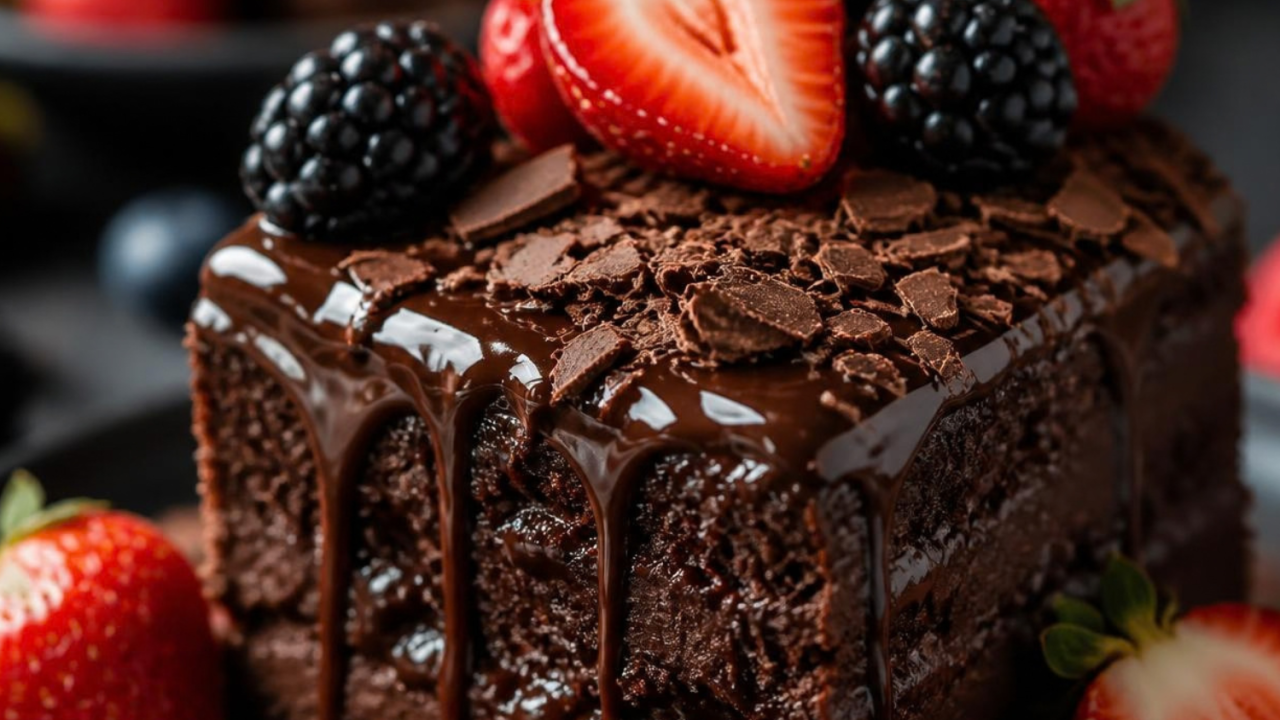
For example, a dark chocolate dessert can become more appealing with berries, cream, or a subtle dusting of cocoa powder.
Keep additions relevant to the dish so the photograph remains believable.
Experiment With Angles
Different perspectives reveal different qualities. A three-quarter angle can emphasize the height and structure of a dark dish, while close-ups can highlight surface texture.
Overhead compositions work particularly well when colorful ingredients surround a darker central subject.
Keep Editing Natural
Editing can brighten shadows and improve contrast, but avoid excessive adjustments that remove the food’s natural depth.
Preserve realistic colors and textures so the final photograph remains appetizing and authentic.
Share Your Food Photography With Shoot Bright Photo
At Shoot Bright Photo, we believe every photograph has a story and every photographer has a unique perspective. Our photography marketplace and creator community help photographers showcase their work, reach wider audiences, and turn creative skills into opportunities.
Dark-food photography is an excellent way to strengthen your lighting and exposure skills.
Turn Dark Tones Into Dramatic Images
Photographing dark food successfully requires careful control of contrast, exposure, texture, and light. With the right background and thoughtful styling, dark dishes can look rich, detailed, and inviting rather than flat or underexposed.
#ShootBrightPhoto #FoodPhotography #DarkFoodPhotography #PhotographyTips #FoodStyling #CreativePhotography #CommercialPhotography #FoodPhotographer #VisualStorytelling #PhotographyCommunity