 My Account
Create Cleaner, More Professional Food Photographs
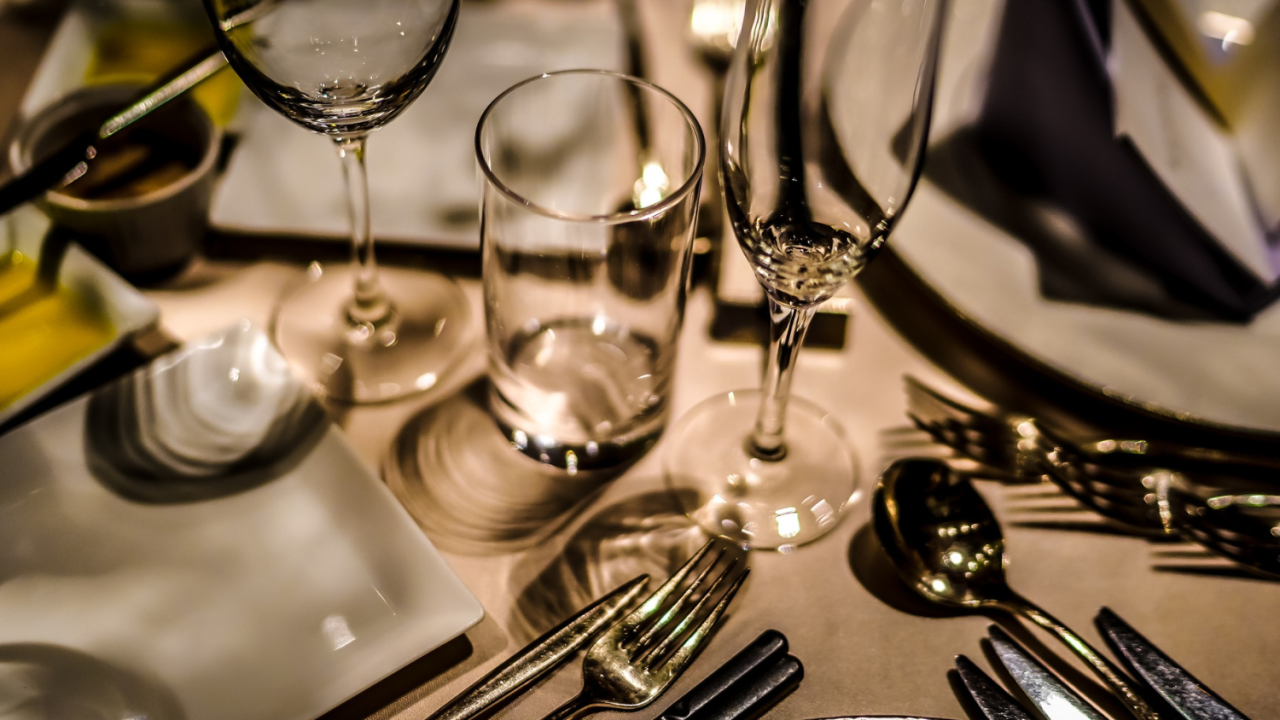
Glassware and cutlery can add elegance and context to food photography, but their reflective surfaces can also create unwanted glare. Bright hotspots, reflections of equipment, and distracting highlights can quickly take attention away from the food.
Learning to control these reflections gives photographers greater control over the final image and helps create cleaner, more professional compositions.
Understand Where the Reflection Comes From
Before changing your camera settings, look at the glass or cutlery from your shooting position. Reflective objects show what is around them, including windows, lights, cameras, walls, and even the photographer.
Move around the setup and observe how the reflections change. Often, a small change in camera or light position can dramatically improve the photograph.
Soften Your Light Source
Large, diffused light sources generally create softer and more controlled reflections than small, direct lights.
Use a diffuser between the light and the subject to spread the illumination. This can reduce harsh hotspots while maintaining enough light to reveal the food and glassware.
Change the Light Position
Avoid placing a light directly opposite a reflective surface. Move it to the side, above, or behind the subject and observe how the reflection changes.
For glassware, side or backlighting can create attractive edge highlights without producing a large, bright patch across the entire glass.
Use White and Black Cards
Reflectors and flags can help shape what appears in reflective surfaces.
A white card can introduce a soft, controlled reflection into a glass, while a black card can create darker edges that help define its shape.
Experiment with each card’s position until the glass has intentional highlights and clear contours.
Control Reflections in Cutlery
Spoons, knives, and forks can reflect almost everything around them. Consider their position carefully before shooting.
Rotate the cutlery slightly rather than placing it flat toward the light source. Changing its angle can move unwanted reflections away from the camera.
Keep the Glassware Clean
Dust, fingerprints, and water marks become extremely noticeable when light hits reflective surfaces. Clean every piece carefully before shooting.
Check the glass through the camera rather than relying only on your eyes, as small marks can become much more visible in the final image.
Experiment With Polarizing Filters
A suitable polarizing filter can sometimes help manage reflections, although its effectiveness varies depending on the material, angle, and lighting setup.
Use it as an additional tool rather than relying on it to solve every reflection problem.
Share Your Food Photography With Shoot Bright Photo
At Shoot Bright Photo, we believe every photograph has a story and every photographer has a unique perspective. Our photography marketplace and creator community help photographers showcase their work, reach wider audiences, and explore creative opportunities.
Learning to control reflective surfaces is a valuable skill for food, product, restaurant, and commercial photography.
Make Reflections Work for You
Glare is not always something that needs to be eliminated. Carefully controlled reflections can add shape, depth, and sophistication to an image.
By adjusting light sources, using flags and reflectors, changing angles, and keeping surfaces clean, photographers can turn difficult reflections into intentional compositional elements.
#ShootBrightPhoto #FoodPhotography #PhotographyTips #GlasswarePhotography #ProductPhotography #FoodStyling #CommercialPhotography #CreativePhotography #VisualStorytelling #PhotographyCommunity