 My Account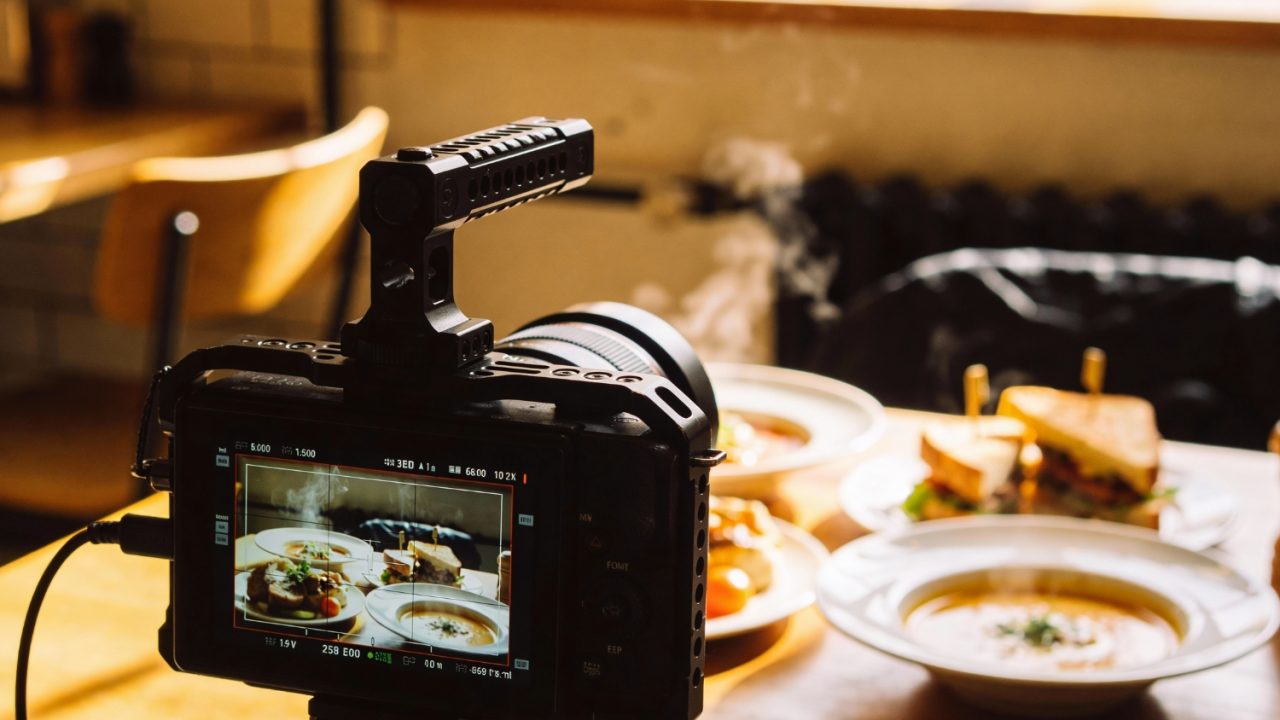
Food styling is an essential skill for creating mouthwatering images that not only showcase the dish but also entice viewers to take a bite. Whether you’re a professional photographer or an aspiring foodie influencer, knowing how to style food effectively for the camera can elevate your food photography. Here are some tips and tricks to help you style food that pops on screen.
1. Start with Fresh, High-Quality Ingredients
The foundation of great food photography begins with fresh, high-quality ingredients. Use ingredients that are visually appealing and well-prepared. For instance, ripe fruits, crisp vegetables, or perfectly cooked meats will make a big difference in how the dish looks on camera. Avoid ingredients that are overcooked or wilted, as they can appear dull and unappetizing.
2. Play with Color and Texture
Color and texture are key elements in food styling. Incorporate a variety of colors that complement each other—vibrant greens, reds, and yellows tend to look visually appealing together. Don’t be afraid to contrast smooth textures with crunchy ones or use a glossy glaze to add a layer of shine. A sprinkle of herbs, a drizzle of sauce, or a handful of seeds can create texture that draws the eye and makes the dish look more inviting.
3. Use Props and Backgrounds to Enhance the Dish
Props can help tell a story and add context to your food shots. Consider using plates, cutlery, napkins, or even drinks that complement the dish. The background should enhance, not distract, so choose simple, neutral backgrounds like wooden surfaces, marble countertops, or clean linens. A carefully selected prop, such as a rustic bowl or elegant glassware, can frame the food and add depth without detracting from it.
4. Emphasize Lighting
Lighting is everything in food photography. Natural light is usually the best option, as it creates a soft, flattering effect on food. Place your dish near a window with diffused light to avoid harsh shadows. If you’re shooting indoors, use softboxes or diffusers to replicate natural light. Proper lighting can make the food look fresh and appealing, highlighting its textures and details.
5. Consider Angles and Composition
The angle from which you shoot is crucial for food photography. Some dishes look best from above (like pizza, salads, or bowls), while others may need a side shot to show off layers or textures (like burgers or stacked pancakes). Experiment with different angles to see which one flatters the food the most. Keep your composition balanced by placing the food off-center and leaving some space for a clean, aesthetic shot.
6. Add Final Touches
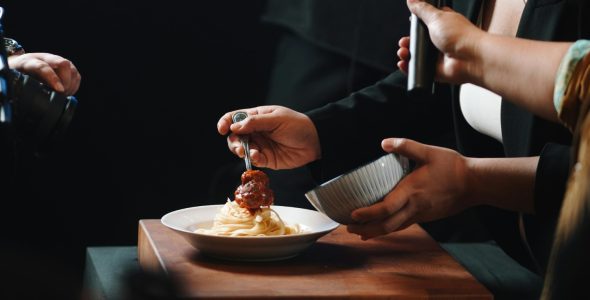
Before snapping the final shot, take a moment to add some finishing touches. A drizzle of sauce, a fresh herb garnish, or a sprinkle of spice can elevate the dish and add that extra bit of polish. Be sure to tidy up any spills or crumbs around the plate, as these small details can make the difference between a good and great food photo.
Food styling is a fun and creative process that requires attention to detail, understanding of light, and the ability to bring out the best in the dish. By starting with fresh ingredients, using color and texture thoughtfully, and paying attention to the surrounding elements, you can create food photos that are not only visually appealing but also enticing to the viewer. With these tips, you’ll be styling food like a pro in no time.
#FoodStyling #FoodPhotography #FoodTips #PhotographyHacks #Foodie #FoodPhotographyTips #StylingForCamera #VisualAppeal #FoodInspiration