
 My Account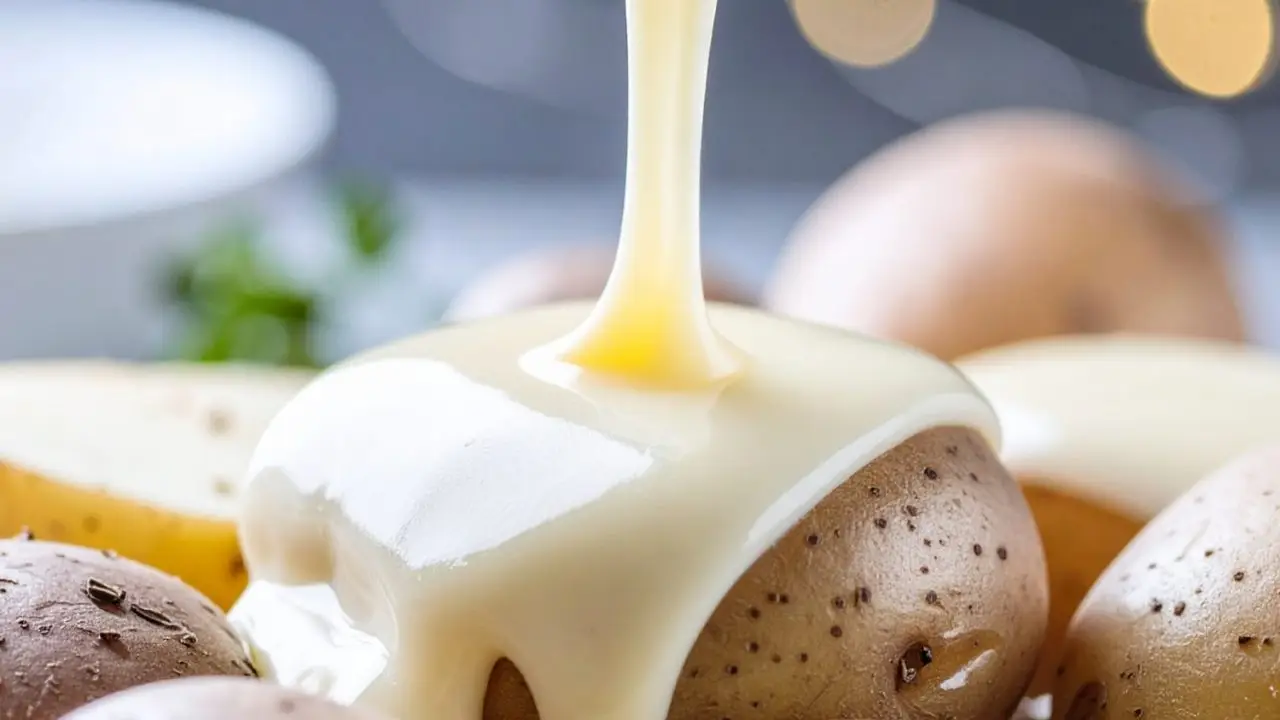
Introduction
When it comes to food photography, the dish may be the star of the show — but the background plays a powerful supporting role. A well-chosen background can enhance mood, highlight textures, and create a cohesive story. On the other hand, a distracting or poorly selected background can take attention away from the food itself. Understanding the importance of backgrounds is essential to elevating your food photography.
1. Setting the Mood and Atmosphere
Backgrounds help establish the mood of your image. A dark, textured surface can create a dramatic and moody feel, perfect for rich chocolate desserts or hearty meals. Light, airy backgrounds, such as marble or soft linens, create a fresh, clean look, ideal for salads, pastries, and breakfast dishes. The background should match the pfood’s personalityand the story you want to tell.
2. Enhancing Colors and Contrast
The right background can make your food colors pop. Neutral tones like white, beige, gray, or muted wood often work best because they don’t compete with the dish. If your food is colorful, keep the background subtle. If the dish is neutral-toned, a slightly contrasting background can add depth and visual interest. The goal is balance — the food should always remain the focal point.
3. Creating Depth and Dimension
Backgrounds add layers to your composition. Using textured surfaces such as wood, stone, fabric, or concrete can create dimension and prevent the image from looking flat. You can also experiment with foreground and background blur (using a wider aperture) to create depth and make the dish stand out even more.
4. Supporting the Story
Every food photo tells a story. A rustic wooden table can suggest homemade comfort food, while a sleek marble surface may convey elegance and fine dining. Adding subtle elements like napkins, cutting boards, or kitchen tools can enhance the narrative without overpowering the scene. Backgrounds help provide context and make the image feel authentic.
5. Avoiding Distractions
A cluttered or busy background can ruin an otherwise beautiful photo. Keep it simple and intentional. Make sure no harsh lines, bright patterns, or unnecessary objects pull attention away from the food.
Final Thoughts
Backgrounds are more than just surfaces — they shape the mood, enhance colors, and strengthen the overall composition of your food photography. By choosing backgrounds thoughtfully, you can create images that feel cohesive, professional, and visually delicious.
#FoodPhotography #PhotographyTips #BackgroundStyling #FoodStyling #CreativePhotography #VisualStorytelling #ProductPhotography #ContentCreation #PhotographyInspiration


