 My Account
Making Pasta and Noodles Look Irresistible
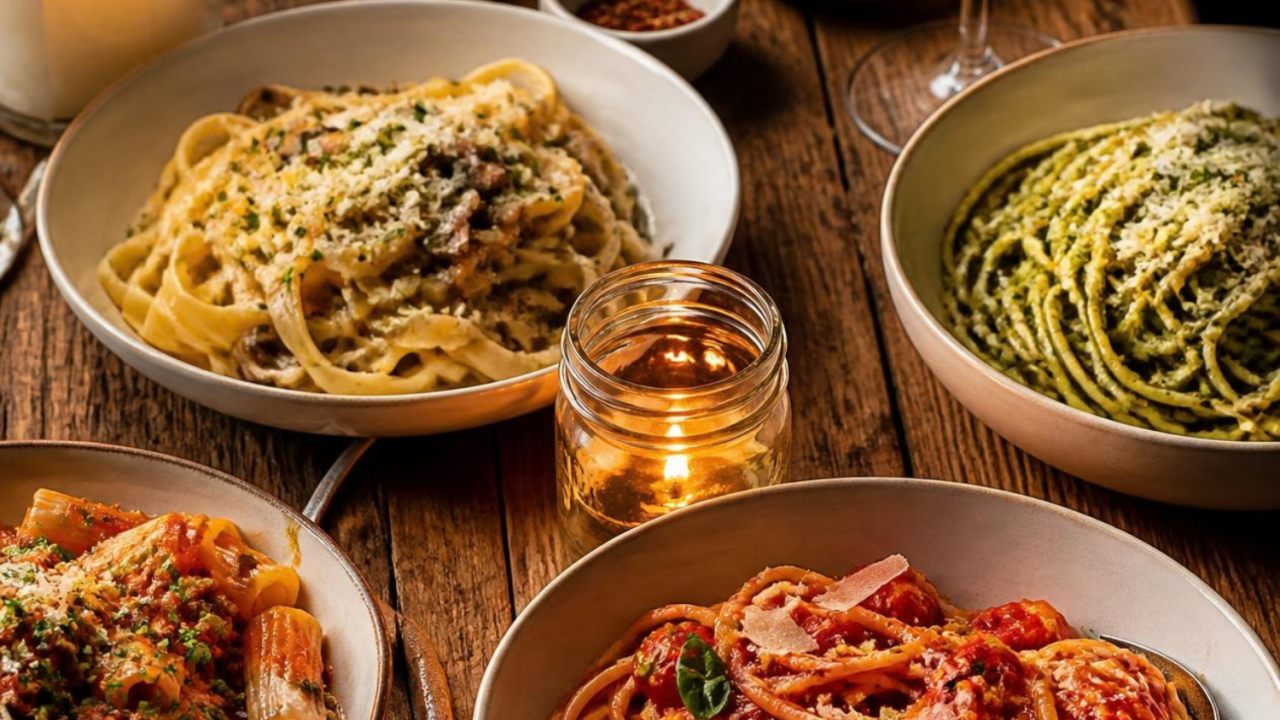
Pasta and noodle dishes are excellent subjects for food photography because they combine movement, texture, color, and layers. From creamy pasta and rich tomato sauces to stir-fried noodles and colorful toppings, these dishes offer plenty of opportunities to create appetizing images.
The challenge is capturing their texture and freshness before the noodles lose their shape or the sauce settles. With thoughtful styling, lighting, and timing, photographers can create photographs that make viewers want to reach for a fork.
Prepare the Dish Close to Shooting Time
Pasta and noodles often look their best immediately after preparation. Have your camera, background, props, and lighting ready before plating the dish.
Work quickly once the food is served so the ingredients retain their texture, shine, and natural appearance.
Style the Dish With Layers
Avoid creating a flat-looking plate. Arrange pasta or noodles with visible layers and height.
Use forks, tongs, or chopsticks to lift sections naturally and create dimension. Position toppings where they’re clearly visible, rather than letting everything disappear beneath the noodles.
Fresh herbs, vegetables, grated cheese, sesame seeds, or sauces can provide useful color and texture.
Highlight the Sauce
Sauce is often one of the most appealing parts of a pasta or noodle photograph. Make sure it is visible rather than completely hidden.
A glossy sauce can catch soft highlights, while creamy sauces can benefit from side lighting that reveals their smooth texture.
Choose the Right Camera Angle
An overhead shot works well for pasta dishes with colorful ingredients and carefully arranged toppings. A three-quarter angle can emphasize height and show how the sauce coats the noodles.
Try close-up compositions to highlight individual ingredients, textures, and garnishes.
Use Soft Directional Lighting
Side lighting can reveal the curves and texture of noodles while creating natural shadows. A reflector can brighten darker areas without removing depth.
Avoid overly harsh light that creates distracting highlights on oily sauces or glossy ingredients.
Add Movement for Extra Energy
Action photographs can make pasta and noodle images more dynamic. Try capturing noodles being lifted with chopsticks or a fork, sauce being poured, or fresh herbs being added.
These moments can create a stronger sense of freshness and storytelling.
Keep the Background Simple
Choose backgrounds that complement the dish without competing with it. Neutral surfaces, wood, stone, or subtle table settings can work particularly well.
Share Your Food Photography With Shoot Bright Photo
At Shoot Bright Photo, we believe every photograph has a story and every photographer has a unique perspective. Our photography marketplace and creator community help photographers showcase their work, reach wider audiences, and develop creative opportunities.
Pasta and noodle photography is a great way to demonstrate food styling, timing, lighting, and composition.
Capture the Dish at Its Best
Great pasta and noodle photography depends on preparation, speed, and attention to detail. By highlighting texture, controlling light, styling carefully, and experimenting with movement, photographers can create images that feel fresh, colorful, and irresistible.
#ShootBrightPhoto #FoodPhotography #PastaPhotography #NoodlePhotography #FoodStyling #PhotographyTips #CommercialPhotography #CreativePhotography #FoodPhotographer #PhotographyCommunity