
 My Account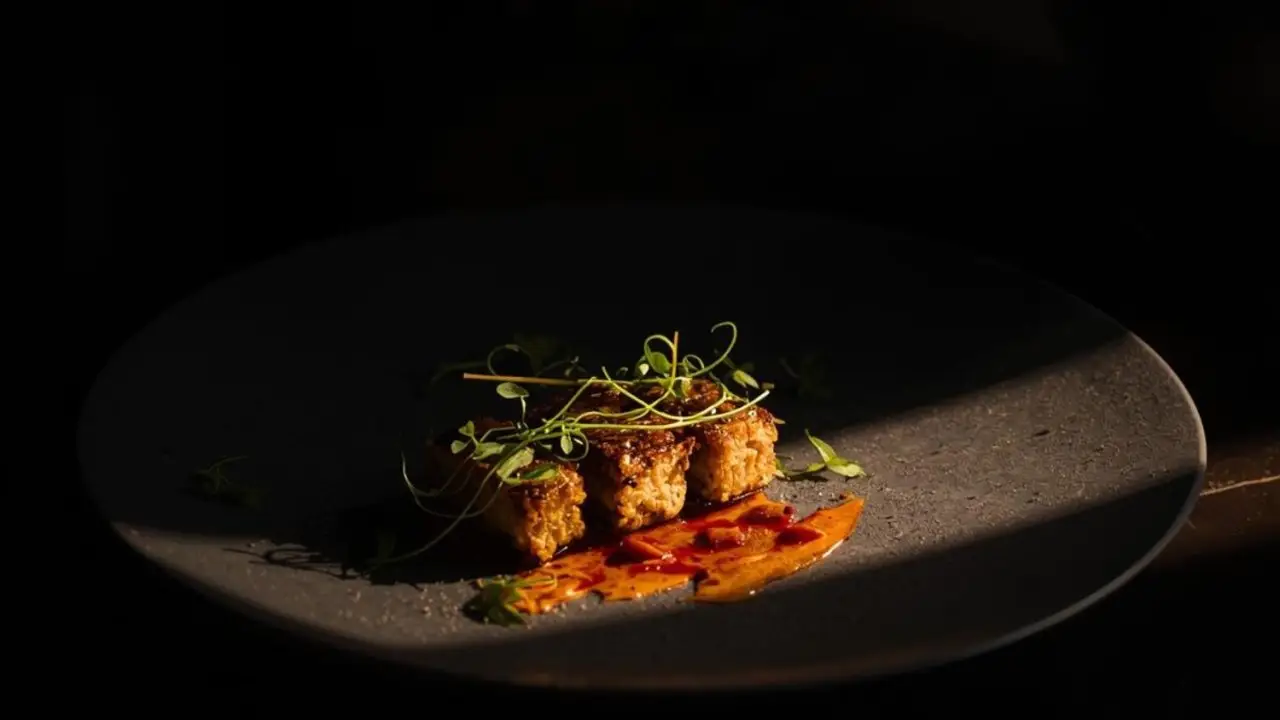
Introduction
Low-light food photography can feel challenging, but when done correctly, it can create beautiful, moody, and dramatic images. Darker scenes add depth, richness, and atmosphere—perfect for cozy café vibes, fine-dining shots, or evening table settings. The key is learning how to control light rather than fight against it.
1. Use Available Light Strategically
Even in low-light environments, look for small light sources. Window light, candles, table lamps, or soft ambient lighting can become your creative tools. Position your dish close to the light source and shoot from the side to create depth and highlight texture. Side lighting adds dimension and prevents the image from looking flat.
Avoid placing the food directly under harsh overhead lighting, as this can create unflattering shadows and glare.
2. Adjust Your Camera Settings
Low light requires careful camera adjustments. Increase your ISO to allow more light into the camera, but keep it balanced to avoid excessive grain. Use a wider aperture (such as f/1.8 to f/2.8) to let in more light and create a soft background blur. Lower your shutter speed if necessary, but be mindful of camera shake.
Using a tripod is highly recommended in low-light conditions. It allows you to use slower shutter speeds without compromising sharpness.
3. Embrace the Mood
Low-light photography isn’t about making the image bright; it’s about creating mood. Dark backgrounds, shadows, and subtle highlights can make dishes like steak, chocolate desserts, or wine look rich and luxurious. Let shadows exist naturally instead of trying to brighten every corner.
Underexposing slightly can add drama, especially for editorial or restaurant-style food shots.
4. Use Reflectors to Control Shadows
If shadows become too strong, use a simple white card or reflector to bounce light back onto the darker side of the food. This keeps details visible without losing the moody atmosphere.
5. Edit Carefully
In post-processing, adjust exposure and contrast gently. Increase shadows slightly if details are lost, and fine-tune white balance to maintain natural food colors. Avoid over-brightening, as it can remove the dramatic effect.
Final Thoughts
Shooting food photography in low light is about balance, using limited light creatively while maintaining clarity and texture. With thoughtful positioning, proper camera settings, and subtle editing, you can create stunning, atmospheric food images that feel intimate and professional.
#FoodPhotography #LowLightPhotography #MoodyPhotography #PhotographyTips #FoodStyling #CreativePhotography #ContentCreation #RestaurantPhotography #VisualStorytelling


