
 My Account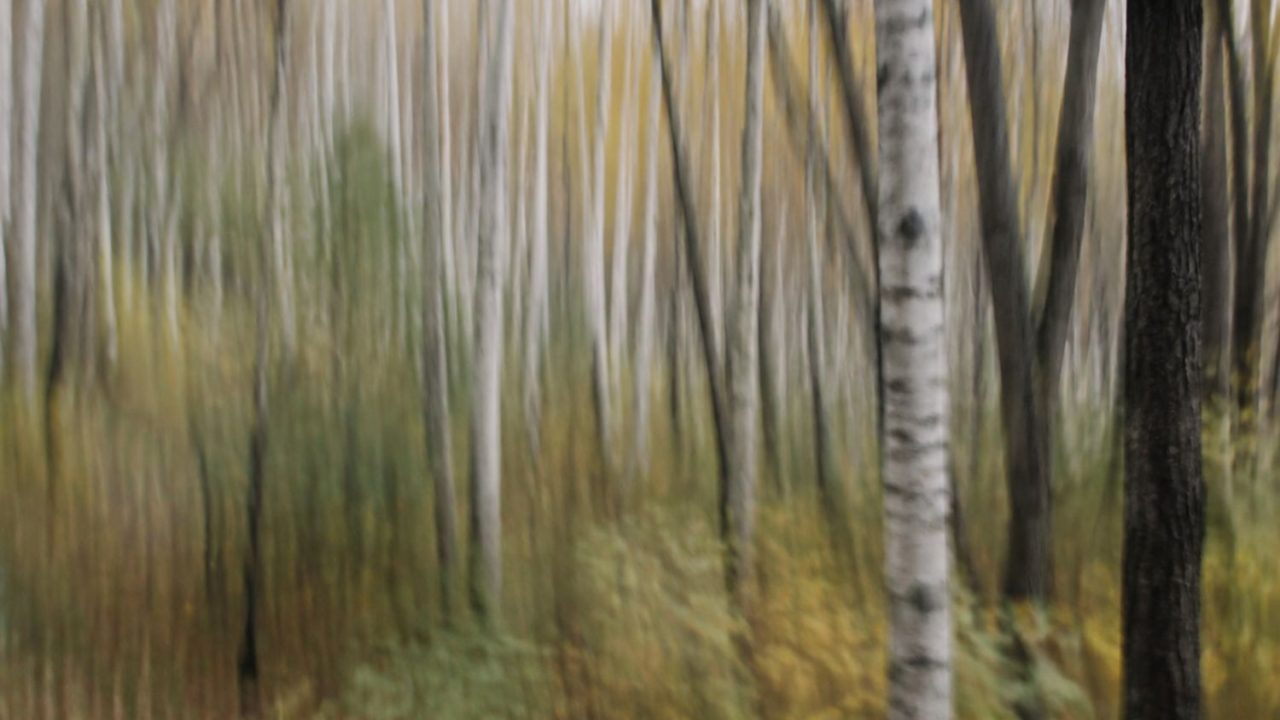
Photography usually teaches us to hold the camera still. We use fast shutter speeds, tripods and image stabilisation to prevent blur. Intentional camera movement reverses that idea by moving the camera deliberately during an exposure.
Often called ICM, this technique transforms recognisable natural subjects into abstract combinations of colour, shape and texture. Trees become vertical brushstrokes, coastlines form gentle horizontal bands and flowers dissolve into flowing colour.
The results are unpredictable, which makes intentional camera movement both challenging and creatively rewarding.
Begin With a Simple Subject
ICM works best when the scene has a clear structure. A dense landscape with too many unrelated details can produce a confused image rather than an expressive one.
Rows of trees are excellent for practising vertical movement. Beaches, lakes and open fields naturally suit horizontal motion. Flowers, reeds and autumn foliage can create softer studies of colour and texture.
Before taking the photograph, identify the element that gives the scene its character. Your camera movement should strengthen that feature rather than fight against it.
Choose a Slower Shutter Speed
A shutter speed that is too fast will freeze the scene, while one that is too slow may remove all recognisable detail. Beginners can start around 1/10 or 1/4 of a second and adjust from there.
Use your camera’s shutter-priority or manual mode. Select a low ISO and reduce the aperture if the image is too bright. In strong daylight, a neutral-density filter may be necessary to achieve a slow shutter speed without overexposing the photograph.
Image stabilisation can sometimes resist the movement you are trying to create. Experiment with it both on and off to see which setting produces the smoother result with your equipment.
Match the Movement to the Landscape
Vertical movement is a natural choice for tall trees, grasses and waterfalls. Begin moving the camera gently just before pressing the shutter, then continue through the exposure. This creates a smoother line than starting the movement after the shutter opens.
Horizontal movement works well for coastlines, open water, layered hills and fields. Follow the horizon in one continuous direction while keeping the motion as level as possible.
Circular, diagonal and twisting movements can create more energetic images, but they are harder to control. Begin with vertical and horizontal techniques before moving to more complex gestures.
Control the Speed of Your Movement
The shutter speed controls how long the movement is recorded, while the speed of your hands determines the character of the blur.
A slow, gentle movement preserves more of the original subject. A fast movement produces longer streaks and greater abstraction. Neither approach is automatically better. The goal is to find a balance between recognisable structure and creative transformation.
Repeat the same composition several times while changing only one variable. Try a slower movement, a longer shutter speed or a slightly different starting position. Small differences can completely change the image.
Look for the Right Light and Colour
Soft, overcast conditions are particularly suitable for ICM because the light is even and easier to control. Early morning and late afternoon can also produce beautiful results when warm light passes through trees or reflects across water.
Colour relationships are important because fine detail will be reduced. Look for natural combinations that remain attractive when blended, such as green foliage against pale tree trunks or warm autumn leaves against a cool sky.
Bright isolated highlights can turn into distracting streaks, so check the edges and background before beginning the exposure.
Keep an Anchor in the Composition
An ICM photograph does not have to become completely abstract. Leaving one tree, rock, flower or section of the horizon slightly recognisable gives the viewer a visual anchor.
This connection to reality can make the photograph more engaging. The viewer understands the subject but experiences it through movement rather than literal detail.
Browsing the nature photography available on Shoot Bright Photo can help you identify subjects with strong lines, colour relationships and simple compositions that could work well with intentional movement.
Review the Images With Patience
ICM produces many unsuccessful frames. Some will be too sharp, others too blurred and a few may lack a clear composition. This is normal.
Do not judge every photograph only through technical sharpness. Look instead at rhythm, balance, colour and emotional impact. When editing, make restrained adjustments to contrast, exposure and colour. Excessive clarity or sharpening can work against the softness that gives ICM its character.
Intentional camera movement encourages photographers to respond to nature rather than simply document it. By experimenting with shutter speed, direction and gesture, beginners can discover expressive images in even the most familiar landscape.
#IntentionalCameraMovement #ICMPhotography #NaturePhotography #CreativePhotography #AbstractPhotography #SlowShutterPhotography #LandscapePhotography #PhotographyForBeginners #ShootBrightPhoto